
OKGames Tongits Beginner Guide
Learn how Tongits works before joining your first game. This beginner guide explains card values, melds, drawing, discarding, Sapaw, Burn, Fight, winning conditions, and responsible play in clear, beginner-friendly language.
Whether you are completely new to Tongits or refreshing your knowledge, this guide provides the essential information needed to understand the flow of a typical round and make more informed decisions at the table.
Beginner-Friendly Rules
Melds and Card Values Explained
Learn the Gameplay Flow
Responsible Gaming Tips
Understanding the rules and common Tongits terms before playing can help beginners follow each round more confidently, recognise important card combinations, and make clearer decisions.
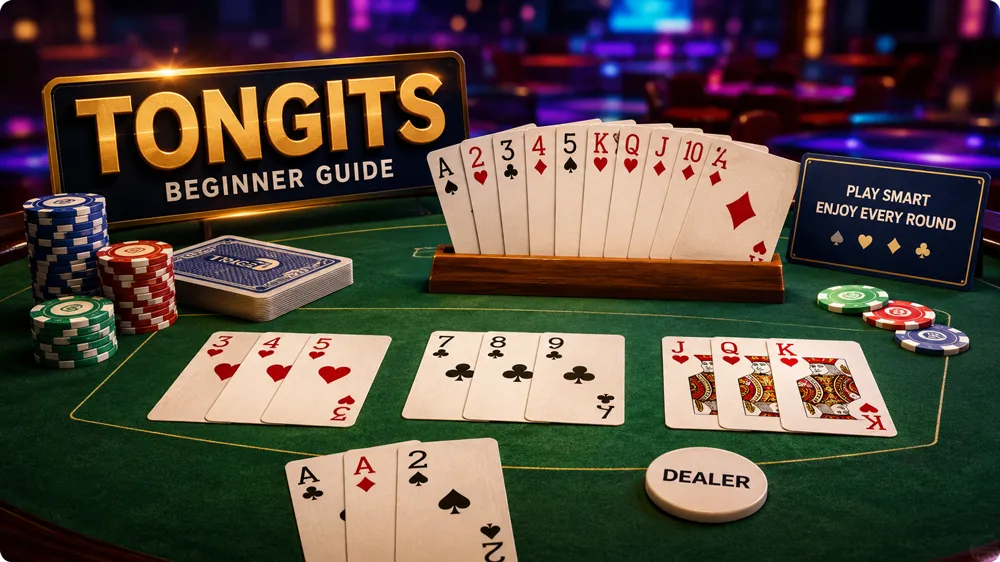
Everything New Players Should Know Before Playing Tongits
Tongits is a popular three-player card game in the Philippines. Players draw and discard cards while building valid combinations, reducing the value of unmatched cards, and observing the actions of their opponents.
Learning the basic turn sequence, meld types, card values, and winning conditions can make the game much easier to follow. Beginners should focus on organising their hand and understanding each decision before attempting more advanced strategies.
Understand the Cards
Learn card values, unmatched cards, and common combinations used during a Tongits round.
Follow the Turn Order
Understand how players draw, organise their hand, and discard one card during each turn.
Build Valid Melds
Recognise sets and same-suit sequences that reduce the number of unmatched cards in your hand.
Play Responsibly
Set personal limits and approach every Tongits session as a form of entertainment.
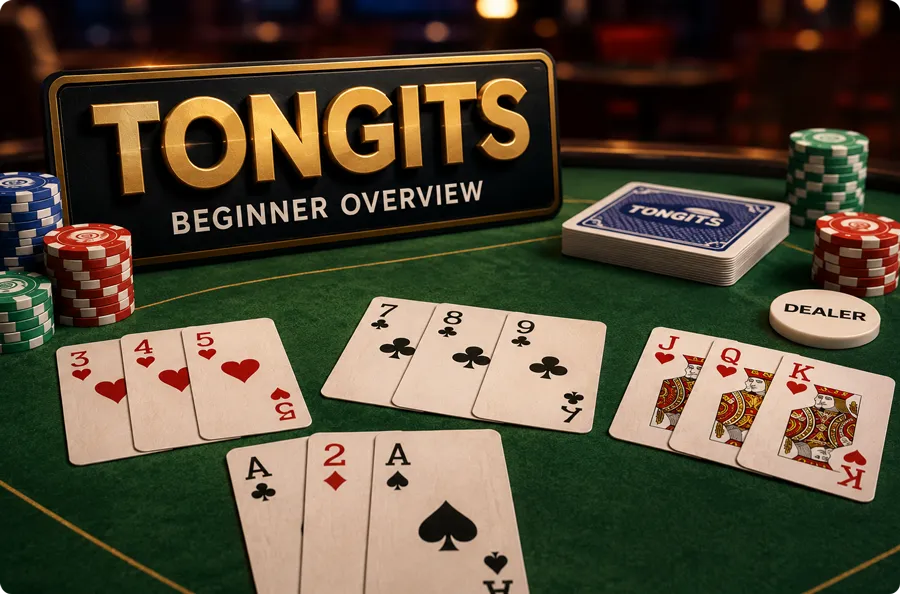
Learn Before You Play
Understanding Tongits terminology and turn order helps you follow the game more confidently from the opening deal to the final result.
Organise Your Hand
Group possible sets and sequences early so you can identify useful cards, deadwood, and safer discard options.
Build Better Habits
Calm decisions, personal limits, and regular breaks can create a more balanced and enjoyable experience.
Every Tongits Round Is Different
The cards you receive, the discard pile, available melds, and opponent decisions change during every round. Focus on the current hand instead of expecting the same pattern or result from one game to the next.
Learn the Most Important Tongits Terms
Before playing Tongits, it is helpful to understand the words used throughout the game. These basic terms appear in almost every round and make it much easier to follow the action.
Meld
A valid combination of cards placed on the table. Melds can be either a set of the same rank or a sequence of the same suit.
Sapaw
Adding one or more matching cards to an existing meld on the table to reduce unmatched cards in your own hand.
Burn
Winning because every opponent can no longer continue the game after running out of useful moves.
Fight
A comparison of deadwood points when a player believes they currently have the lowest unmatched card value.
Deadwood
Cards that are not part of any completed meld. Keeping deadwood low improves your chances of winning.
Draw
Picking one card from the draw pile at the beginning of your turn before deciding what to discard.
Discard
Placing one unwanted card into the discard pile to end your current turn.
Tongits
Declaring victory after successfully using every card in your hand through valid melds and legal gameplay.
How a Typical Tongits Round Works
Every Tongits round follows a simple sequence. Understanding each step helps beginners make better decisions and stay organised throughout the game.
Receive Your Cards
Each player receives their starting hand. Take a moment to organise possible sets and sequences before your first turn.
- Sort by suit.
- Find matching ranks.
- Identify deadwood.
Draw One Card
Begin your turn by drawing one card. Check whether it helps complete a meld before making your next decision.
- Evaluate the new card.
- Update your hand.
- Plan your discard.
Create Melds
Place completed sets or sequences onto the table whenever they become available.
- Three or more cards.
- Sets or sequences.
- Reduce deadwood.
Discard One Card
Finish your turn by discarding one card that provides the least future value.
- Think before discarding.
- Avoid helping opponents.
- Keep useful combinations.
Watch Other Players
Pay attention to the cards your opponents draw, discard, and place on the table during every round.
- Observe patterns.
- Remember discards.
- Adjust your decisions.
Complete the Round
The round finishes when a player declares Tongits, wins by Burn, or a Fight determines the lowest deadwood score.
- Tongits victory.
- Burn.
- Fight.
How to Choose a Beginner-Friendly Tongits Game
Beginners should start with a Tongits format that is easy to follow, clearly explains the available actions, and allows enough time to review each decision before moving forward.
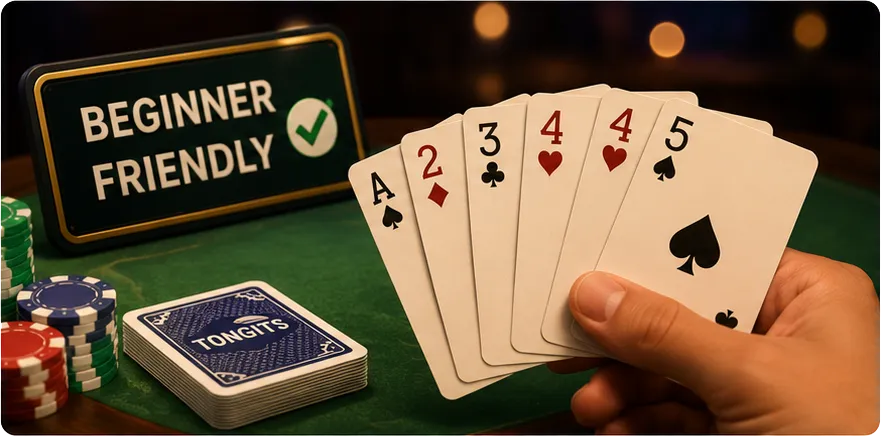
Classic Tongits
A traditional Tongits format with familiar turn rules, clear card combinations, and a straightforward gameplay flow.
- Familiar three-player structure
- Standard meld and discard rules
- Suitable for learning the basics
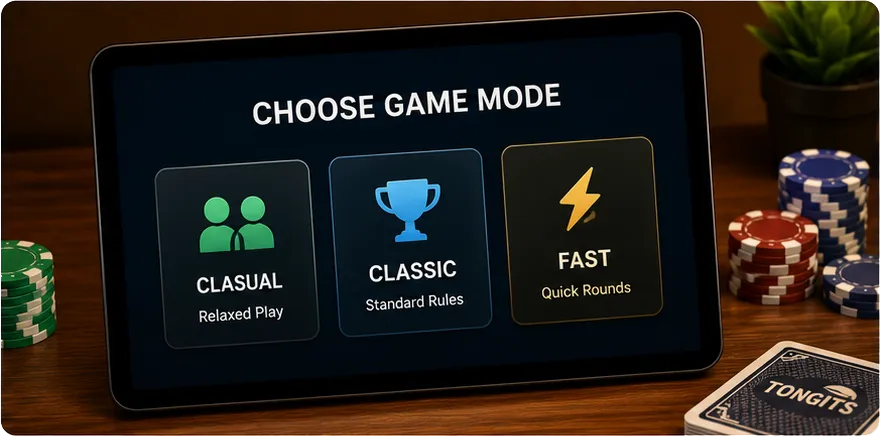
Quick Tongits
A faster version designed around shorter rounds. It may suit players who already understand the standard turn sequence.
- Shorter decision windows
- Faster round progression
- Better after learning Classic Tongits
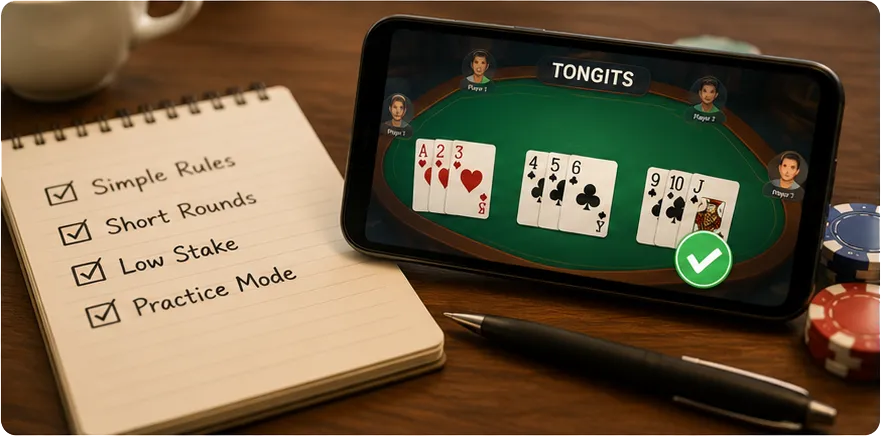
Tutorial Tongits
A guided format that may include prompts, visual hints, and clearer explanations for available actions.
- Beginner-focused instructions
- Clear action prompts
- Useful for practising turn order
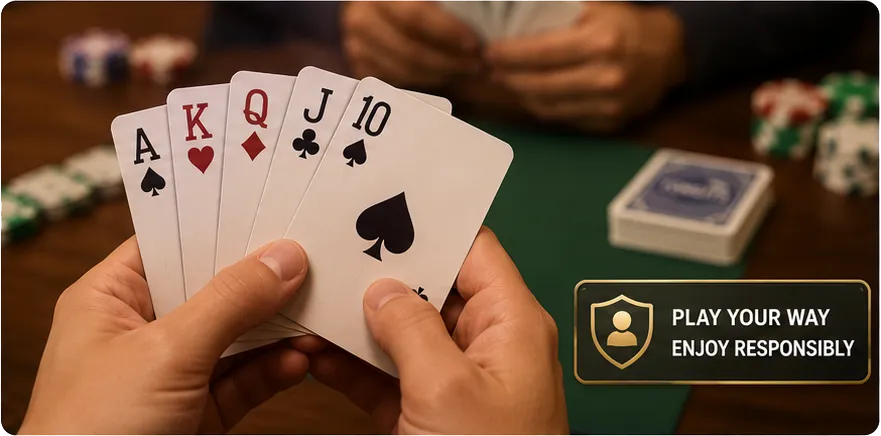
Casual Tongits
A relaxed format that gives players more time to arrange their cards and consider each move.
- More time for each decision
- Easier to follow card movement
- Suitable for low-pressure practice

Tournament Tongits
A more competitive format that may include rankings, timed decisions, and multiple rounds.
- Competitive progression
- More pressure on decisions
- Better for experienced players

Mobile Tongits
A mobile-friendly format designed for smaller screens, touch controls, and shorter play sessions.
- Touch-friendly controls
- Clear card display
- Check readability before playing
Beginner Tongits Selection Checklist
Review these points before choosing your first Tongits table or game format.
Choose a format with clearly visible cards and controls.
Start with a slower pace while learning the turn order.
Check whether the game explains melds and legal actions.
Avoid competitive formats until the basic rules feel familiar.
Confirm that the interface remains readable on your device.
Set clear time and spending limits before starting.
Tongits Mistakes New Players Should Avoid
Most beginner mistakes happen because players act too quickly, focus only on their own hand, or misunderstand the value of certain cards. Recognising these habits early can make each round easier to follow.
Holding High-Value Deadwood
Keeping unmatched face cards for too long can leave you with a high deadwood total if the round ends unexpectedly.
Review high-value unmatched cards early and discard them when they are unlikely to form a useful meld.
Discarding Without Observing
A card that looks useless to you may complete an opponent’s set or sequence.
Watch the cards other players collect, expose, and discard before choosing your own discard.
Breaking Useful Combinations
Separating a promising pair or sequence too early may reduce your chance of completing a meld later.
Compare the future value of each card before breaking a possible combination.
Ignoring Deadwood Points
Some beginners focus only on making melds and forget that unmatched card values can decide a Fight.
Recalculate your deadwood regularly and compare the value of keeping or discarding each unmatched card.
Playing Too Quickly
Fast decisions can lead to missed melds, poor discards, and accidental support for an opponent’s hand.
Pause briefly after every draw and review all available combinations before discarding.
Chasing Previous Losses
Increasing time or spending after a losing round can lead to rushed decisions and poor control.
Keep the same personal limits, take a break, and avoid treating the next round as a way to recover losses.
Responsible Tongits Tips for Beginners
Tongits should remain an optional form of entertainment. Personal limits, regular breaks, and calm decisions are more important than the result of any single round.
Set a Time Limit
Decide how long you plan to play before starting and stop when that time has been reached.
Set a Spending Limit
Use only an amount that does not affect bills, savings, food, transport, or other essential expenses.
Take Regular Breaks
Step away between sessions so you can reset your attention and avoid playing continuously.
Avoid Emotional Decisions
Stop when you feel frustrated, tired, distracted, or tempted to make decisions based on emotion.
Do Not Chase Losses
A previous result does not make a future win more likely. Keep your original limits and avoid increasing risk.
Use Available Controls
Make use of session reminders, deposit limits, time-outs, or self-exclusion tools when they are available.
Stop When Tongits Is No Longer Enjoyable
Take a longer break or seek support when playing begins to cause stress, financial pressure, conflict, secrecy, or difficulty stopping.
Pause • Review • Decide
Use this three-step routine before every important Tongits decision. It can help reduce rushed moves and keep your attention on the current hand.
Pause
Stop for a moment after drawing a card instead of immediately discarding.
Review
Check your melds, deadwood, possible sequences, and what your opponents may be collecting.
Decide
Choose the move that best supports your current hand without exceeding your personal limits.
A Good Decision Cannot Guarantee a Win
Tongits outcomes depend on the cards dealt, the draw pile, opponent decisions, and other changing conditions. Better habits can improve clarity, but they cannot guarantee a specific result.
Tongits Beginner Quick Reference
Use this summary to review the most important Tongits rules, card combinations, turn actions, and winning conditions before joining a game.
Card Values
- Number cards use their printed value.
- Face cards usually count as 10 points.
- Aces usually count as 1 point.
- Lower unmatched card totals are better.
Sets and Sequences
- A set uses cards of the same rank.
- A sequence uses consecutive cards.
- Sequence cards must share the same suit.
- Valid melds normally require at least three cards.
Draw and Discard
- Begin your turn by drawing one card.
- Review your hand after every draw.
- Place legal melds when appropriate.
- End your turn by discarding one card.
Winning Conditions
- Declare Tongits after using every card legally.
- A Burn may end the round immediately.
- A Fight compares unmatched card totals.
- The applicable game rules determine the final result.
Sapaw
- Add matching cards to an exposed meld.
- Confirm that the addition remains legal.
- Use Sapaw to reduce your deadwood.
- Check the specific table rules before playing.
Watch the Table
- Notice which cards opponents collect.
- Remember recently discarded cards.
- Review exposed melds before discarding.
- Avoid giving away obviously useful cards.
Pause and Review
- Do not discard immediately after drawing.
- Recheck possible sets and sequences.
- Recalculate your deadwood total.
- Consider what the next player may need.
Personal Limits
- Decide your time limit before starting.
- Set a spending limit you can afford.
- Take regular breaks between sessions.
- Stop when playing is no longer enjoyable.
Check the Rules of the Game You Select
Tongits formats may use different table settings, timers, declaration rules, scoring systems, or round conditions. Review the rules shown inside the selected game before starting.
Before You Play Tongits
Take one final moment to confirm that you understand the basic rules, can read the game interface clearly, and have already set your personal limits.
I understand the basic draw and discard sequence.
I can identify sets, sequences, and deadwood.
I understand Tongits, Burn, Fight, and Sapaw.
I have checked the rules of the selected game.
The cards and controls are clear on my device.
I have chosen a beginner-friendly game pace.
I have set a clear session time limit.
I have set a spending limit I can comfortably afford.
I will not chase losses or increase limits emotionally.
I will stop when the session is no longer enjoyable.
Tongits Is Not a Guaranteed Way to Make Money
No strategy, pattern, guide, or previous result can guarantee a winning outcome. Treat Tongits only as entertainment and never use money needed for essential expenses.
Continue Your Tongits Learning Journey
You now understand the basic Tongits rules, gameplay flow, terminology, beginner mistakes, and responsible gaming principles. Continue exploring our game guides to build confidence and expand your knowledge step by step.

Disclaimer
This Tongits Beginner Guide is provided for general educational and informational purposes only. Rules, scoring systems, available features, and gameplay options may vary between different Tongits platforms or versions.
Nothing on this page should be interpreted as financial, legal, gambling, or professional advice. No strategy, recommendation, or gameplay approach can guarantee a specific outcome or future result.
Tongits should always be enjoyed responsibly. Only participate if it is legal in your location, follow the applicable platform rules, and never risk money needed for essential living expenses. If gaming stops being enjoyable or begins to affect your wellbeing, consider taking a break and seeking appropriate support.